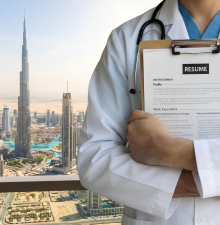
Discover how Dubai hospitals support international healthcare professionals with streamlined licensing, clinical training, professional development, and global accreditation programs. Learn about salary, visas, and career growth opportunities in Dubai’s healthcare sector.
How Dubai Hospitals Support International Healthcare Professionals
Dubai hospitals provide robust support for international healthcare professionals, offering structured clinical training, streamlined licensing, professional development, and access to internationally accredited programs. Through the DHA Sheryan Portal, credential verification, and specialty-specific assessments, Dubai ensures that healthcare professionals can practice safely and progress in their careers.
1. Comprehensive Clinical Training Programs
Dubai hospitals offer a range of clinical training programs for international healthcare professionals:
- Year-long internships and structured residency programs
- Short-term attachments aligned with global standards (medicine, dentistry, allied health)
- Multilingual learning environments under supervision of western-trained physicians
- Tiered competency-based programs, with certification upon completion
Facilities like Saudi German Hospital Dubai provide accredited clinical training, ensuring hands-on experience and professional development.
2. Streamlined Licensing & Regulatory Pathways
To practice in Dubai, international healthcare professionals must complete licensing through the DHA Sheryan Portal:
- Primary source verification via DataFlow
- Specialty-specific assessments and Prometric computer-based exams
- License activation typically within 3–6 months
- Total licensing cost: typically a few thousand AED, varying by specialty
Medical professionals from Tier 1 countries may benefit from exam exemptions. Compliance with DHA licensing ensures high standards and legal practice.
3. Documentation Requirements
Dubai hospitals and DHA require submission of:
- Medical degrees and internship records
- Employment history and at least two years of clinical practice
- Valid licenses from current regulatory authorities
- Good standing certificates issued within six months
- Specialty-specific requirements (e.g., surgical logbooks, health certificates for professionals over 60)
Using UAE PASS authentication, professionals can streamline document submission.
4. Accreditation and Quality Standards
Dubai hospitals adhere to international accreditation standards, including:
- JCI, ACHS, ACGME-I
- Specialty-specific audits, infection control, and evidence-based practice assessments
- Continuous performance improvement initiatives
Participation in these programs ensures professionals work in globally recognized, high-quality healthcare environments, supporting career mobility and medical tourism growth.
5. Professional Development Opportunities
Healthcare professionals in Dubai have access to:
- Accredited CPD/CME programs aligned with DHA standards
- Hands-on clinical training and simulation centers
- Postgraduate programs in healthcare management and leadership
- Structured internships, clerkships, and supervised clinical rotations
These programs help develop clinical expertise and professional competencies for international career growth.
6. Financial & Administrative Support
Dubai hospitals provide insurance, relocation, and administrative guidance for international professionals:
- Mandatory employer-provided basic and enhanced insurance plans
- Financial aid programs like Mosaadah and A’awen
- Assistance with UAE Pass registration, documentation, and coverage verification
This support helps expatriate professionals integrate efficiently into Dubai’s healthcare ecosystem.
7. Cultural Integration & Language Support
Dubai hospitals offer robust language and cultural support for international staff:
- 24/7 certified interpreters for clinical communication
- Workshops and orientation for cultural adaptation
- Translated professional documents and medical records
These services ensure smooth integration into Dubai’s multicultural healthcare environment.
8. Global Partnerships & Recognition
Dubai hospitals maintain partnerships with leading institutions like Mayo Clinic, Cleveland Clinic, King’s College London, enabling:
- Advanced clinical training and knowledge exchange
- Access to world-class research platforms and educational programs
- Internationally recognized certification and skill development
Dubai Healthcare City’s strategic collaborations enhance global recognition and career mobility.
9. Career Advancement Resources

International professionals can leverage:
- Structured internships, fellowships, and residency programs
- Accredited training platforms like Manaar for CPD/CME courses
- Specialty certification pathways (CNA, LPN, RN)
- Healthcare management diplomas and advanced leadership programs
These resources support career progression within Dubai’s healthcare sector.
10. Healthcare Innovation & Research Platforms
Dubai hospitals offer opportunities in digital health, AI, and clinical research:
- Access to AI labs, telemedicine, and real-time analytics
- Participation in multinational clinical trials
- Collaboration on innovative medical solutions and robotics applications
Professionals contribute to evidence-based medicine while gaining exposure to cutting-edge healthcare technologies.
Frequently Asked Questions
Accommodation Options:
Affordable apartments or premium serviced residences near hospitals, often supported by hospital relocation programs.
Family Visas:
Eligible if salary requirements are met; dependents require attested documentation and medical clearance.
Salary Range:
GPs AED 18,000–40,370; specialists AED 30,000–50,000; consultants AED 60,000–110,000 monthly (tax-free, often including housing and benefits).
License Transfers Between Hospitals:
Permitted with facility sponsorship; flexible authority transfers without NOC required.
Part-Time Work During Training:
Limited, as DHA regulations typically mandate full-time commitment for clinical training programs.