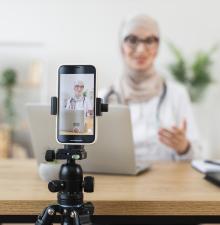
Social media platforms such as Facebook, Twitter (X), Instagram, and LinkedIn attract billions of users every day. As a result, many patients now turn to social media to share healthcare experiences, seek medical information, and learn more about medical professionals before choosing a provider.
When used responsibly, social media is a powerful tool for medical professionals to educate the public, collaborate with peers, advocate for important causes, and strengthen patient relationships. However, maintaining professionalism, accuracy, and transparency is essential to building and preserving trust.
The Value of Social Media for Medical Professionals
Social media allows healthcare professionals to share evidence-based information, engage with patients, and contribute positively to public health discussions. As online medical content continues to grow, doctors and healthcare providers have a responsibility to communicate clearly, respectfully, and ethically.
Defining Your Social Media Goals
Creating an effective social media presence begins with clearly defining your goals. Well-defined objectives help identify your target audience, guide content creation, and measure success.
The most common goal is connecting with current patients, but additional objectives may include:
Providing Health Education
Medical professionals can educate the public on general wellness topics such as nutrition, fitness, mental health, or preventive care. Content may include sharing research articles, posting educational tips, or creating original content such as blogs, videos, podcasts, or infographics.
Promoting Your Medical Practice
A professional social media presence can support practice growth by attracting new patients, retaining existing ones, and managing online reputation. When patients search for a doctor online, a positive and informative social media profile can help counterbalance isolated negative reviews and reinforce credibility.
Connecting With Other Medical Professionals
Social media has become a modern version of the “doctors’ lounge.” Platforms enable medical professionals to engage with peers and subspecialists worldwide, participate in discussions, attend virtual events, and exchange clinical insights through forums and live Q&A sessions.
Advocating for Healthcare Causes
Doctors can use social media to raise awareness, amplify patient stories (ethically and anonymously), and advocate for public health initiatives, health equity, and community wellbeing. Even sharing day-to-day healthcare experiences can create meaningful impact and foster understanding.
Growing and Engaging Your Audience
Once goals are established, understanding your audience is essential. Clear messaging and consistent content help define your professional brand. Medical professionals often attract attention quickly, but sustainable audience growth occurs when followers can rely on a clear, trustworthy, and consistent voice.
Best Practices for Professional Conduct on Social Media
Maintain Professionalism
While authenticity is encouraged, medical professionals must maintain professional boundaries. The line between personal and professional content can blur on social media, but professionalism should always guide interactions, tone, and shared information.
Avoid Providing Individual Medical Advice
Medical professionals should refrain from offering personalized medical advice online. Instead, share general educational content and encourage individuals to seek professional consultation. It is also advisable to clarify this boundary to followers to avoid misunderstandings and protect patient privacy.
Protect Patient Confidentiality
Everything shared on social media is permanent and owned by the platform. Always consider whether a post could be identifiable to a patient or their family. If there is any doubt, do not share it. Respecting patient confidentiality and data privacy is both an ethical and legal responsibility.
Conclusion
Social media offers medical professionals a valuable platform to educate, advocate, collaborate, and connect with the public. When used responsibly, it can strengthen professional reputation, enhance patient trust, and support public health initiatives.
By setting clear goals, maintaining professionalism, sharing evidence-based information, and safeguarding patient privacy, medical professionals can build a strong and ethical social media presence that benefits both their practice and the wider community.