
As a pregnant healthcare worker, you are protected under the Pregnant Workers Fairness Act (PWFA) if your employer has 15 or more employees. You’re entitled to reasonable accommodations, including:
- Modified duties and light-duty assignments
- Flexible schedules and shift adjustments
- Additional breaks and rest periods
- Ergonomic workstations and equipment
- Lactation support and private spaces for milk expression
- 20-hour prenatal leave bank for appointments
- Protection against retaliation
These rights ensure you can maintain your health and safety while continuing your medical duties.
Understanding the Pregnant Workers Fairness Act (PWFA) in Healthcare
The PWFA, effective since 2023, requires healthcare employers to provide accommodations for pregnancy, childbirth, or related medical conditions.
Key features include:
- Interactive process: Employees request accommodations verbally or in writing; employers must engage in good-faith dialogue.
- Hazardous duty reassignment: Pregnant workers can be moved away from tasks that pose safety risks.
- Integration with other laws: Works alongside Title VII, ADA, and PUMP Act protections.
Healthcare professionals may need medical documentation for non-obvious conditions or specialized accommodations.
Essential Workplace Accommodations for Pregnant Medical Staff
Healthcare settings provide accommodations such as:
- Modified duty assignments: Temporary telehealth roles, administrative tasks, or patient education responsibilities.
- Break time adjustments: Extra rest periods, hydration breaks, and lactation sessions in private spaces.
- Ergonomic support: Adjustable desks, seating, lift-assist devices, and workstation modifications.
- Shift flexibility: Reduced night shifts, shorter consecutive shifts, and alternate day/night schedules.
Employers must post visible notices informing staff of these rights and maintain a structured accommodation process.
Modified Duty and Safety Guidelines
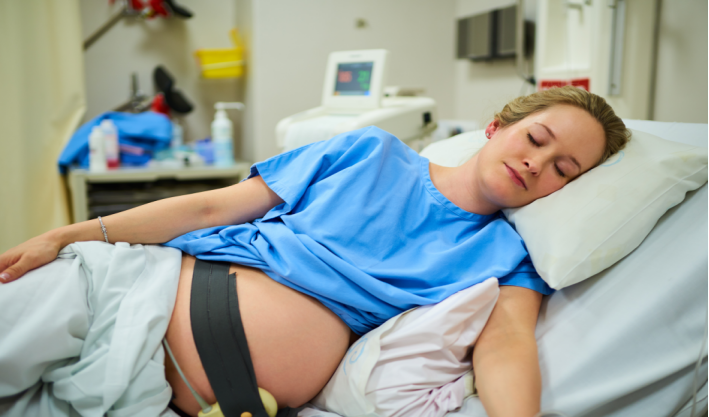
Employers must establish clear modified duty protocols to minimize pregnancy risks:
Accommodation | Key Options | Implementation |
Physical Tasks | Weight limits (≤25 lbs) | Reassign lifting or strenuous duties |
Schedule | Reduced consecutive night shifts | Flexible rotations and temporary light-duty |
Location | Remote/telehealth work | Administrative or patient education roles |
Physical safety: Limit standing to under 4 hours/day, bending or kneeling to 1 hour/day, and single lifts under 10 kg. Use ergonomic support and lift-assist equipment to prevent musculoskeletal injuries.
Infection control: Pregnant healthcare workers in high-risk units require additional protections against pathogens like CMV, hepatitis, and herpes.
Protected Time Off and Prenatal Leave
You are entitled to a 20-hour annual prenatal leave bank for medical appointments, separate from sick leave or paid family leave.
Key points:
- Can be used in increments as small as 30 minutes
- Paid at your regular wage
- No medical documentation required for leave requests
- Employers cannot force use of other leave types first
- Guaranteed return to your same position and pay
These rights apply to all private-sector healthcare workers, whether full-time or part-time.
Lactation Support and Return-to-Work Guarantees
Healthcare employers must provide:
- Private lactation spaces with running water and refrigeration
- Time for expressing milk throughout work shifts
- Guaranteed return to the same or comparable position after leave
- Protection against retaliation for requesting lactation accommodations
The Hospital Infant Feeding Act (2025) reinforces breastfeeding-friendly policies in healthcare settings.
Steps to Request and Document Accommodations
To secure accommodations effectively:
1. Identify pregnancy-related limitations.
2. Submit a written request outlining specific needs and expected duration.
3. Provide medical documentation only if conditions are non-obvious.
4. Engage in an interactive dialogue with your employer.
5. Keep detailed records of all communications and responses.
6. Ensure privacy of medical information throughout the process.
Frequently Asked Questions
Can employers require pregnancy testing before hiring?
Federal law (Title VII) protects against discrimination based on pregnancy status. Blanket testing as a hiring requirement is likely illegal.
How are on-call duties adjusted for pregnant staff?
Employers must provide modified schedules, alternative coverage arrangements, or reduced on-call hours, maintaining EMTALA compliance in emergency settings.
What if multiple workers request the same accommodation?
Each request must be evaluated individually, with accommodations prioritized based on medical necessity. Staggered breaks or alternative solutions may be implemented.
Are student healthcare workers protected?
Yes. Workers in organizations with 15+ employees are covered by PWFA, and students have additional academic protections under Title IX.
Can hospitals mandate COVID-19 vaccines for pregnant workers?
Yes, but workers may request medical or religious exemptions. Exempt employees may need modified duties or enhanced PPE for safety.