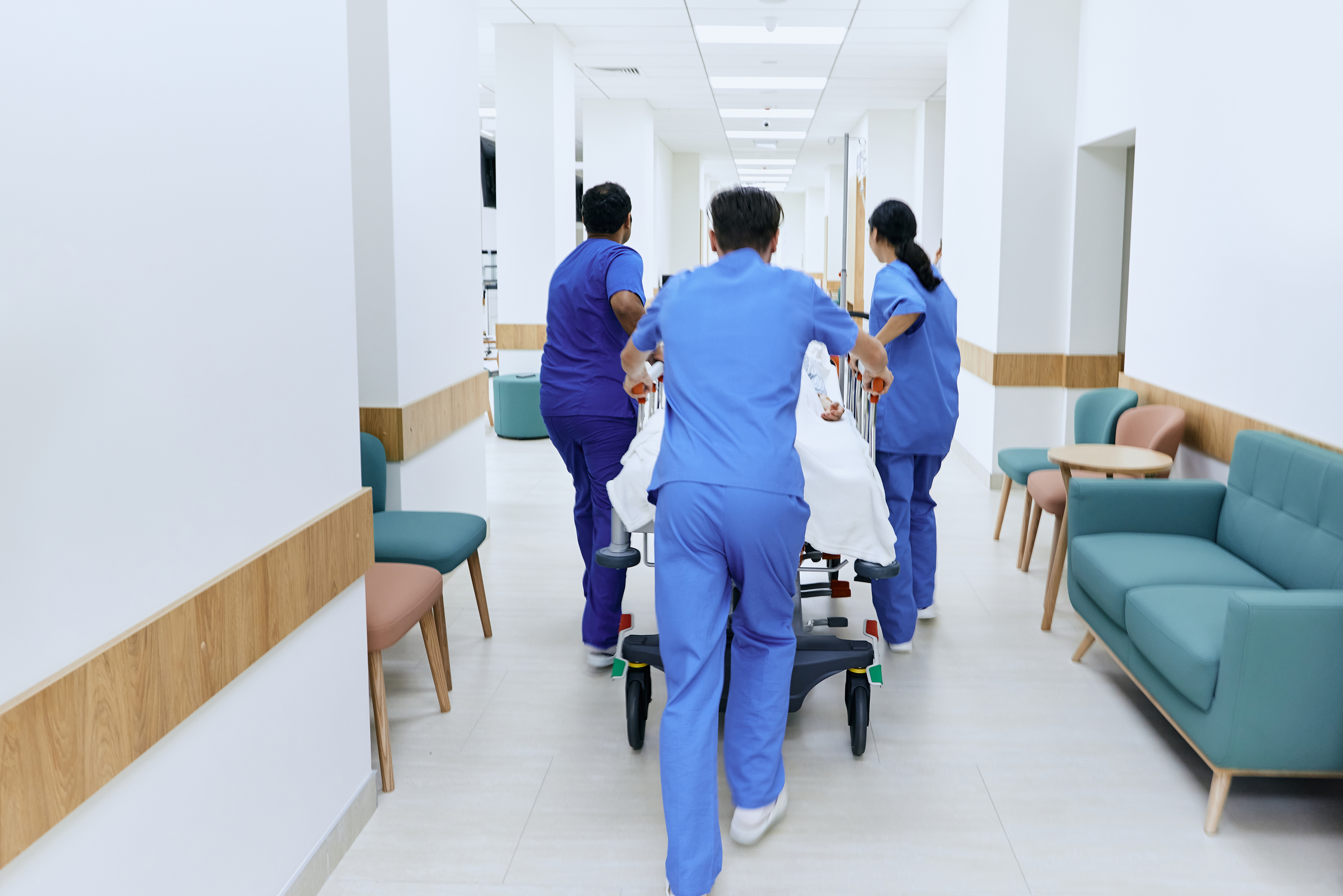
Explore Dubai’s comprehensive emergency healthcare system in 2025. Learn about hospitals, urgent care centers, advanced ambulance services, response times, and patient access for fast, reliable emergency care.
Comprehensive Guide to Dubai Emergency Healthcare Services
Dubai provides world-class emergency healthcare through a robust network of facilities designed to deliver rapid, high-quality care. With response times of 4–8 minutes, GPS-optimized dispatch, and advanced ambulance equipment, patients receive timely, efficient treatment. All facilities follow DHA guidelines, maintain HACCP certifications, and ensure staff hold mandatory emergency care qualifications. By 2025, Dubai’s system will expand with 107 new emergency bays and additional infrastructure, ensuring access to the city’s premier emergency services.
Current Emergency Healthcare Standards in Dubai
Dubai’s emergency healthcare framework is governed by Law No. (5) of 2025, establishing consistent standards across medical facilities. Key highlights include:
- Standardized triage and resource allocation protocols
- HACCP-certified food services for patient safety
- Mandatory staff certifications in trauma care and life support
- Restructuring into Emergency Departments and Urgent Care Centers
- Integrated digital tools for pre-arrival screenings and entry diagnostics
Real-time dashboards monitor patient flow, while strict reporting ensures communicable diseases are tracked within 24 hours, aligning Dubai’s emergency services with global health benchmarks.
Strategic Development of Emergency Services
Dubai is actively expanding its emergency healthcare infrastructure through 2025, focusing on patient-centered innovation and capacity building:
- Mandatory Incident Command training for all emergency staff
- 107 new emergency department bays for prioritized acute care
- AI-driven resource management for optimized crisis response
- Development of 3 new hospitals and 33 primary healthcare centers in underserved areas
- 37 high-priority AI projects to future-proof emergency services
This strategic growth addresses bed capacity gaps in cardiology, orthopedics, and psychiatric care while fostering public-private partnerships to accelerate service delivery.
Performance Metrics & Quality Assurance
Dubai employs rigorous KPIs and real-time monitoring to maintain emergency care excellence:
- Zero Harm Initiative to minimize preventable medical errors
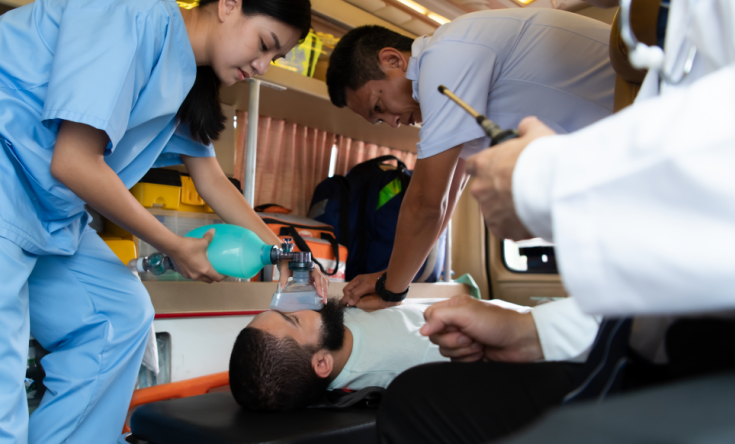
- Advanced ambulances equipped with portable ventilators and hospital integration tools
- Multilingual call operators for diverse patient populations
- Biannual audits and continuous staff training programs
- Performance tracking aligned with Dubai Health Sector Strategy 2026
GPS-optimized dispatch and technology-enabled monitoring ensure world-leading response times of 4–8 minutes across the emirate.
Future-Ready Emergency Healthcare Infrastructure
Dubai integrates advanced technology and strategic planning to ensure readiness for future emergencies:
- Three specialized hospitals by 2033 offering artificial heart transplantation and advanced pancreatic care
- 33 strategically located primary healthcare centers in underserved regions like Al Yalayis and Lehbab
- Full digital integration with EHRs, CPOE, and telehealth platforms
- Real-time emergency response capabilities through the Incident Command System and field hospital deployment
This infrastructure supports peak operational efficiency, continuous system improvements, and resilient emergency preparedness.
Frequently Asked Questions
1. What Are Typical Wait Times for Non-Emergency Cases?
At urgent care facilities, non-critical patients typically wait around 49 minutes, including nurse assessment and physician consultation. AI-powered scheduling and optimized patient flow ensure total visit times remain under 4 hours.
2. Are Translation Services Available?
Yes. Certified interpreters provide 24/7 language support via phone, video, or in-person, covering Arabic, English, Hindi, Urdu, Tagalog, and other languages. Interpreter access is typically within 15 minutes for urgent cases.
3. Which Insurance Providers Cover Emergency Care?
Global insurers like Cigna Global, Bupa Global, William Russell, and local providers GIG Gulf, Daman, Emirates Insurance offer extensive coverage. DHA-compliant plans include Essential Benefits with AED 150,000 minimum coverage.
4. How Can Patients Access Their Emergency Records?
Records are available via the NABIDH secure patient portal, requiring multi-factor authentication. Patients can access emergency treatment history, diagnostics, and prescriptions after verification.
5. What Transportation Options Are Available?
Emergency patients can use:
- Ambulance services for life-threatening cases
- Public transport: Dubai Metro, RTA buses
- Private vehicles and ride-hailing services for less urgent care