Discover what makes Dubai’s healthcare system unique in the Middle East. Explore advanced medical facilities, AI-driven treatments, robotic surgeries, medical tourism, and digital health innovations.
What Makes Dubai’s Healthcare System Unique in the Middle East?
Dubai has established itself as a regional healthcare leader through a sophisticated two-tier system that serves both Emiratis and expatriates. With over 480 registered facilities in Dubai Healthcare City (DHCC), patients benefit from AI-driven treatments, robotic surgeries, and globally accredited care. The emirate attracts over 630,000 medical tourists annually, supported by JCI accreditation, digital health integration, and a strong commitment to research and innovation. Dubai’s strategic investments position it as the Middle East’s premier medical hub.
A Two-Tier Healthcare System: Emiratis vs Expatriates
Dubai’s healthcare system operates on a dual-tier model, creating distinctions between Emirati nationals and expatriates:
- Emirati Access: Fully funded public healthcare, minimal out-of-pocket costs, and priority treatment
- Expatriate Access: Reliance on private healthcare, mandatory insurance, higher premiums, and limited public facility access
Despite differences in access, both sectors maintain world-class standards, with state-of-the-art equipment and highly qualified medical professionals. Expatriates must maintain adequate insurance or face fines of AED 500/month.
Private hospitals provide English-speaking staff and advanced technologies, making them practical for expatriates who require specialized and timely care.
State-of-the-Art Facilities and Advanced Medical Technology
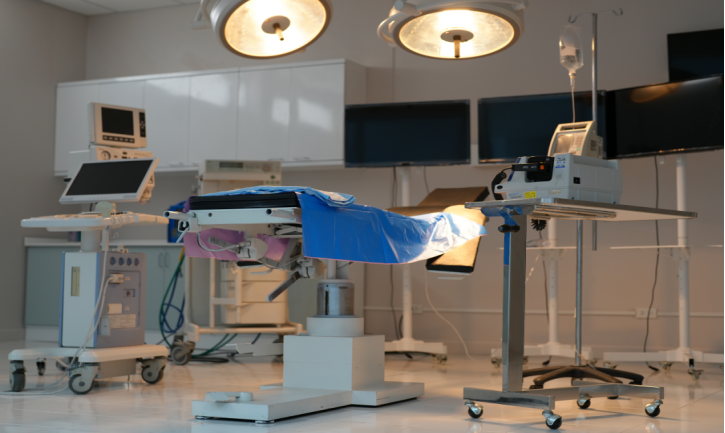
Dubai’s medical infrastructure showcases cutting-edge innovation across public and private sectors:
- AI-driven procedures and robotic surgeries across DHCC’s 22 million sq. ft. campus
- Expansion of JCI-accredited facilities from 39 to 214 in nine years
- Specialized centers like C37, UAE’s first private medical workspace
- Advanced diagnostics supporting over 5,600 procedures annually
The emirate invested AED 1.03 billion in DHCC Phase 2, reinforcing Dubai’s role as a regional leader in healthcare technology and specialized medical services.
Leading the Middle East in Medical Tourism
Dubai attracts over 630,000 international patients annually, with the medical tourism market projected at USD 7.5 billion by 2026.
Key advantages for medical tourists include:
- Dubai Health Experience (DXH) streamlining travel, accommodation, and treatment
- Cutting-edge care at institutions like Cleveland Clinic Abu Dhabi
- Advanced analytics, predictive healthcare solutions, and AI-driven diagnostics
- Multilingual staff and culturally sensitive care
Dubai’s focus on cosmetic surgery, specialized treatments, and tourism integration positions it as the region’s leading medical tourism hub.
Rigorous Quality Standards & Accreditation
Dubai enforces strict healthcare regulations through DHA and MOHAP, ensuring high-quality care across all providers:
- Mandatory JCI accreditation for all facilities
- Regular tracer audits and patient satisfaction monitoring (81.7% primary care satisfaction)
- Continuous professional development and international collaboration
These frameworks maintain consistent care quality, even in a multicultural environment where 85% of the population are expatriates.
Digital Transformation in Patient Care
Dubai leads the Middle East in digital health integration, with the NABIDH EMR system enabling seamless patient data sharing and zero-error efficiency protocols.
- Telemedicine expansion for virtual consultations
- AI-driven diagnostics and predictive analytics for chronic disease management
- Real-time patient tracking for proactive interventions
- UAE digital health market projected at $1.8 billion by 2030 with 80% smartphone penetration
This digital ecosystem ensures patient-centric care and enhances overall healthcare efficiency.
Pioneering Research and Innovation
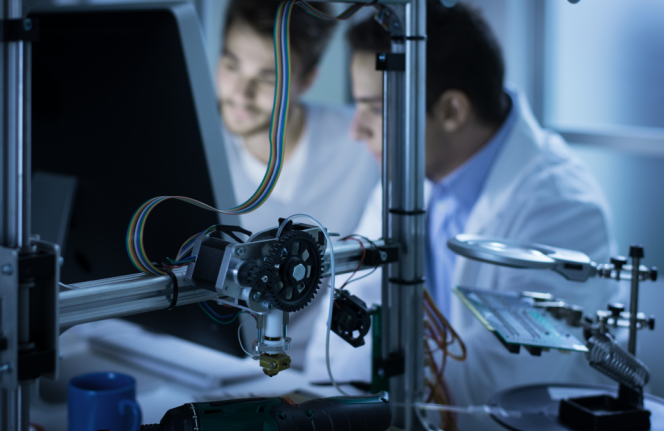
Dubai has become a regional hub for healthcare research through strategic partnerships and government-backed initiatives:
- Acorn Research AI Healthcare Innovation Lab and Mohammed Bin Rashid Medical Research Institute focus on AI-driven solutions
- AED 300 million funding from Al Jalila Foundation for research in cancer, cardiovascular disease, diabetes, obesity, and mental health
- International collaborations and TriNetX network integration accelerating clinical trial access
These initiatives position Dubai as a competitive alternative to global medical hubs like Singapore and Germany, attracting top healthcare talent worldwide.
Medical Technology Innovation Hub
Dubai’s Medical Technology Innovation Hub fosters innovation in AI, robotics, and virtual reality:
- Specialized labs and collaborative spaces for startups, students, and clinicians
- Hackathons, pitch competitions, and commercialization programs driving personalized medicine, precision diagnostics, and remote care solutions
- Contributing to the UAE digital health market projected at $1.8B by 2030 (CAGR 19.87%)
This ecosystem cements Dubai’s position as the Middle East’s premier destination for healthcare innovation.
Frequently Asked Questions
1. What Mental Health Services Are Available?
Extensive support exists via 15 EHS mental health clinics, Al Amal Psychiatric Hospital, and private providers like Priory. Teletherapy options provide discreet, multilingual care.
2. How Are Tourists Without Insurance Treated?
Emergency care is guaranteed. Costs for basic treatment range AED 500–2,000, and travel insurance is highly recommended.
3. Are Alternative Medicine Practices Regulated?
Yes. DHA regulates acupuncture, chiropractic, homeopathy, and other complementary therapies. All facilities must comply with ethical standards and undergo inspections.
4. What Are Vaccination Requirements for Expatriates?
Expatriates must provide UAE-approved vaccine certificates (Sinopharm, AstraZeneca, Pfizer) and comply with PCR testing protocols if arriving from hotspot countries.
5. How Accessible Are Specialized Pediatric Services?
Facilities like Latifa Women and Children Hospital provide pediatric care, though outpatient and procedural access may face capacity challenges. DHA’s digital integration is improving service availability.