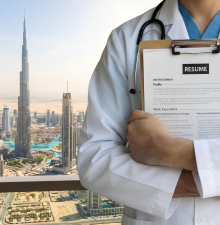
The United Arab Emirates (UAE) has become a leading destination for medical professionals seeking rewarding career opportunities in a fast-growing and innovative healthcare sector. From physicians and nurses to allied health professionals and healthcare administrators, the UAE offers a dynamic environment supported by advanced medical facilities, competitive tax-free salaries, and an exceptional quality of life.
Below is a comprehensive guide to medical recruitment in the UAE and what healthcare professionals need to know before making the move.
Medical Licensing Requirements in the UAE
To practice legally, healthcare professionals must obtain a license from the relevant regulatory authority:
- Physicians: Licensing through the Dubai Health Authority (DHA), Department of Health Abu Dhabi (DOH), or the Ministry of Health and Prevention (MOHAP), depending on the emirate.
- Nurses and Allied Health Professionals: Similar licensing processes apply through the appropriate governing body.
Each authority has specific eligibility criteria, documentation requirements, and assessment processes.
Types of Healthcare Facilities
- Public Hospitals: Operated by government entities across various emirates.
- Private Hospitals and Clinics: Range from small outpatient clinics to large multi-specialty medical centers.
Both sectors offer diverse opportunities depending on specialization and experience.
Medical Recruitment Agencies
Many agencies specialize in UAE medical recruitment, assisting with job placement, licensing applications, and relocation support. Working with an experienced agency can simplify the process and reduce delays.
Salary and Employment Benefits
Healthcare salaries in the UAE are tax-free and highly competitive. Depending on the employer and role, compensation packages may include:
- Housing or housing allowance
- Health insurance
- Annual leave and airfare
- End-of-service benefits
Cultural and Professional Considerations
Understanding local customs, patient expectations, and professional etiquette is essential. Cultural awareness plays a key role in delivering high-quality patient care and maintaining professional relationships.
Visa and Work Permit Process
Employers typically sponsor work visas and permits, ensuring compliance with UAE labor and immigration laws. This process is usually handled as part of the recruitment package.
Career Growth and Professional Development
The UAE healthcare sector emphasizes continuous professional development. Medical professionals have access to ongoing training, certifications, and continuing medical education (CME) programs.
Living and Working in the UAE
The UAE offers a high standard of living with modern infrastructure, vibrant expatriate communities, excellent education options, and a safe environment—making it an attractive destination for professionals and families alike.
Popular Medical Recruitment Destinations
- Dubai: A global city with a strong private healthcare sector and cosmopolitan lifestyle.
- Abu Dhabi: The capital, offering extensive public and private healthcare opportunities.
- Sharjah: Rapidly expanding healthcare infrastructure and growing demand for medical professionals.
Challenges to Consider
Adjusting to a new healthcare system, cultural differences, potential language barriers, and the region’s climate can be challenging—but manageable with preparation and support.
Conclusion
Medical recruitment in the UAE offers healthcare professionals the opportunity to build a fulfilling career in a progressive, well-resourced healthcare system. With proper planning, licensing support, and cultural awareness, transitioning to life and work in the UAE can be both professionally and personally rewarding.
For personalized guidance and expert support, consulting specialized medical recruitment and licensing professionals is highly recommended. Whether in Dubai, Abu Dhabi, or another emirate, the UAE provides a unique blend of career advancement and global lifestyle opportunities in healthcare.