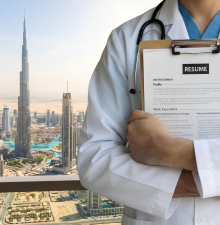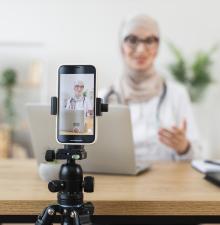
Securing a role in today’s competitive healthcare job market requires more than clinical expertise and qualifications. Medical professionals must also demonstrate strong communication skills, professionalism, and confidence during the interview process. Whether you are applying for a position in a hospital, clinic, research institution, or healthcare organization, mastering the medical job interview is key to career success.
Below are essential interview tips to help healthcare professionals stand out and secure their ideal role.
Research the Healthcare Organization
Before your interview, thoroughly research the healthcare organization. Understand its mission, values, services, and standing within the medical community. Stay informed about recent news, developments, and initiatives. Demonstrating this knowledge shows genuine interest and commitment, helping you make a strong impression on interviewers.
Know Your CV Inside Out
Be prepared to discuss every detail of your CV with confidence. Highlight relevant clinical experience, key skills, certifications, and achievements. Have clear examples ready to support your experience, and be prepared to explain any career gaps or transitions honestly and professionally.
Practice Common Medical Interview Questions
While each interview differs, medical professionals are often asked similar questions about clinical experience, patient care philosophy, teamwork, and handling challenging situations. Practicing structured and concise responses will help you communicate your expertise clearly and effectively.
Showcase Your Soft Skills
Employers value soft skills as much as technical ability. During your interview, highlight communication, empathy, teamwork, leadership, and problem-solving skills. Share real-life examples where you demonstrated compassion, resolved conflict, or collaborated effectively within a multidisciplinary team.
Demonstrate Commitment to Continuous Professional Development
Healthcare is an ever-evolving field, and employers seek professionals committed to lifelong learning. Discuss relevant continuing medical education (CME), certifications, workshops, or specialized training. Showing interest in staying updated with medical advancements and best practices reflects dedication and professionalism.
Prepare for Behavioral Interview Questions
Behavioral questions assess how you respond to real-world scenarios. Use the STAR method (Situation, Task, Action, Result) to provide structured, clear answers that highlight your adaptability, critical thinking, and resilience in clinical and professional settings.
Dress Professionally and Arrive Early
First impressions matter in healthcare interviews. Dress professionally in attire appropriate for a clinical or corporate healthcare setting. Arriving early demonstrates punctuality, respect, and preparedness.
Ask Insightful Questions
When given the opportunity, ask thoughtful questions about team structure, patient demographics, workload, professional development opportunities, and the organization’s future goals. This shows engagement and helps you assess whether the role is the right fit.
Follow Up with a Thank-You Note
Sending a personalized thank-you email after the interview reinforces your interest in the role. Express appreciation for the opportunity and briefly restate why you are a strong candidate. This professional gesture can leave a lasting positive impression.
Conclusion
Mastering the medical job interview is essential for healthcare professionals aiming to advance their careers and secure rewarding roles. By preparing thoroughly, highlighting both clinical expertise and soft skills, and demonstrating a commitment to continuous learning, you can confidently position yourself as a top candidate.
With the right preparation, professionalism, and mindset, you’ll be well equipped to succeed in your next healthcare interview and take the next step in your medical career.