In the rapidly evolving healthcare landscape, staying up to date with the latest medical advancements, technologies, and research is not only a professional responsibility but also a fundamental obligation for healthcare professionals. One of the most effective ways to support continuous professional development is through attending medical seminars.
Seminars provide valuable opportunities for knowledge exchange, skill enhancement, and professional networking, making them essential for medical professionals across all specialties.
Why Seminars Are Essential for Medical Professionals
Staying Updated With Medical Advancements
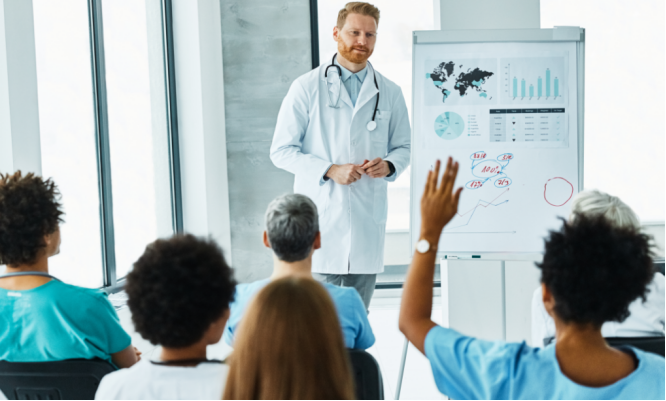
Medical science continues to advance at an unprecedented pace. Seminars offer a focused platform to learn directly from industry experts about the latest breakthroughs in treatments, diagnostic methods, and healthcare technologies. Attending seminars ensures healthcare professionals remain informed and equipped to deliver high-quality, evidence-based patient care.
Enhancing Clinical and Practical Skills
Beyond theory, many seminars include hands-on workshops, live demonstrations, and case-based discussions. These practical learning experiences help professionals refine clinical skills, master new procedures, and improve patient communication—directly enhancing clinical competence and confidence.
Networking and Professional Collaboration
Medical seminars bring together healthcare professionals from different specialties, institutions, and regions. This creates valuable networking opportunities that can lead to research collaborations, professional referrals, knowledge sharing, and career advancement. The professional relationships formed at seminars often extend well beyond the event itself.
Gaining Multidisciplinary Perspectives
Modern healthcare relies on collaboration across disciplines. Seminars often feature diverse speakers and attendees, offering insights beyond one’s own specialty. Exposure to multidisciplinary perspectives encourages a holistic approach to patient care and strengthens interprofessional collaboration.
Meeting Continuing Education Requirements
Most medical licensing authorities and professional boards require ongoing continuing medical education (CME) to maintain licensure or certification. Accredited seminars provide a structured and efficient way to earn required CME credits while staying current with industry standards and best practices.
Promoting a Culture of Lifelong Learning
Medicine is a career of continuous learning and adaptation. Active participation in seminars demonstrates a commitment to professional excellence and lifelong education. By engaging in ongoing learning, medical professionals also set a positive example for colleagues and future healthcare practitioners.
Conclusion
Seminars play a vital role in continuing medical education and professional development. By attending seminars, healthcare professionals stay informed about medical advancements, enhance their clinical skills, expand their professional networks, and support a culture of lifelong learning.
In an era of rapid innovation and evolving patient needs, participating in medical seminars is not just beneficial—it is essential for delivering high-quality, patient-centered healthcare.